Certified model catalog

Senville mini splits: certified specs for 88 models

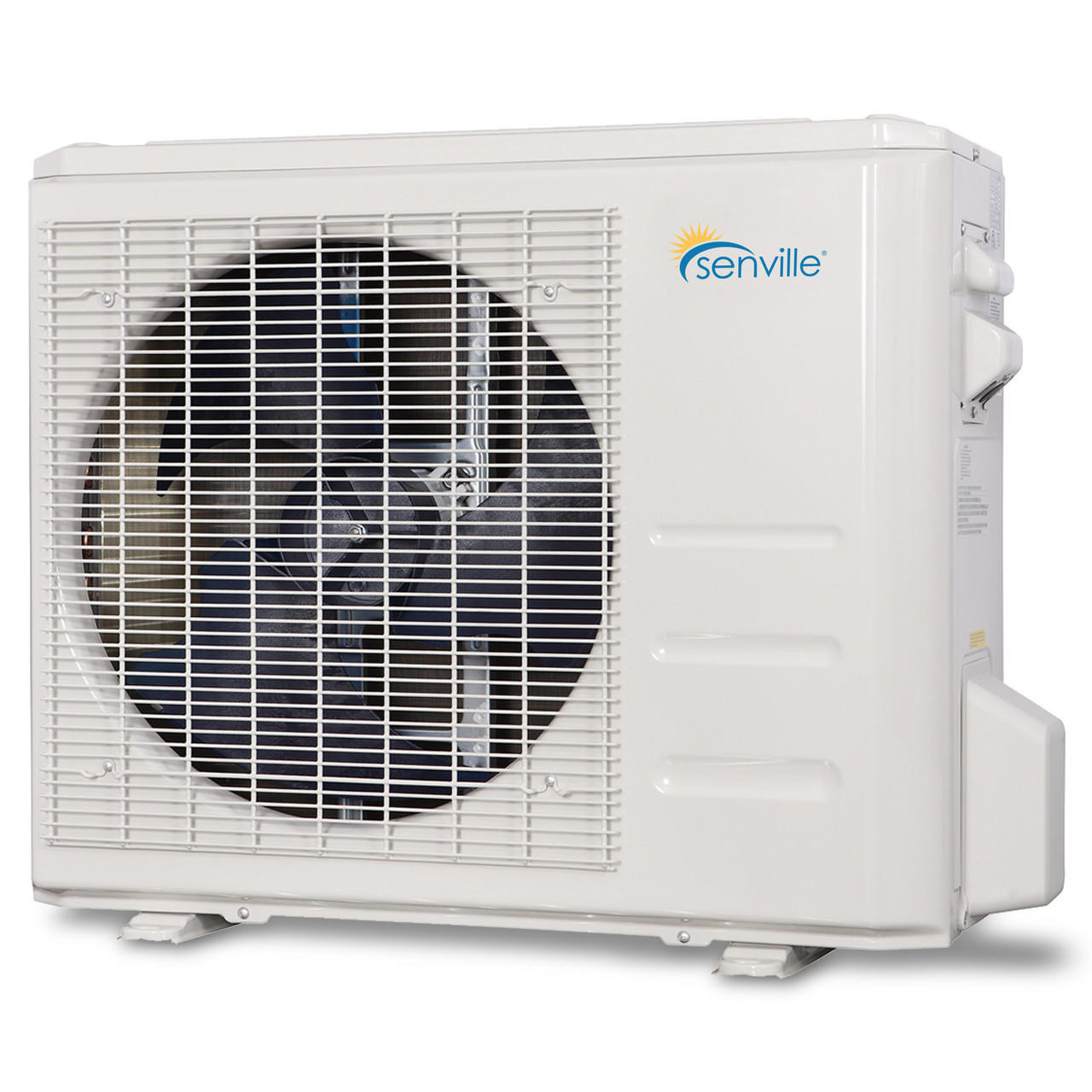
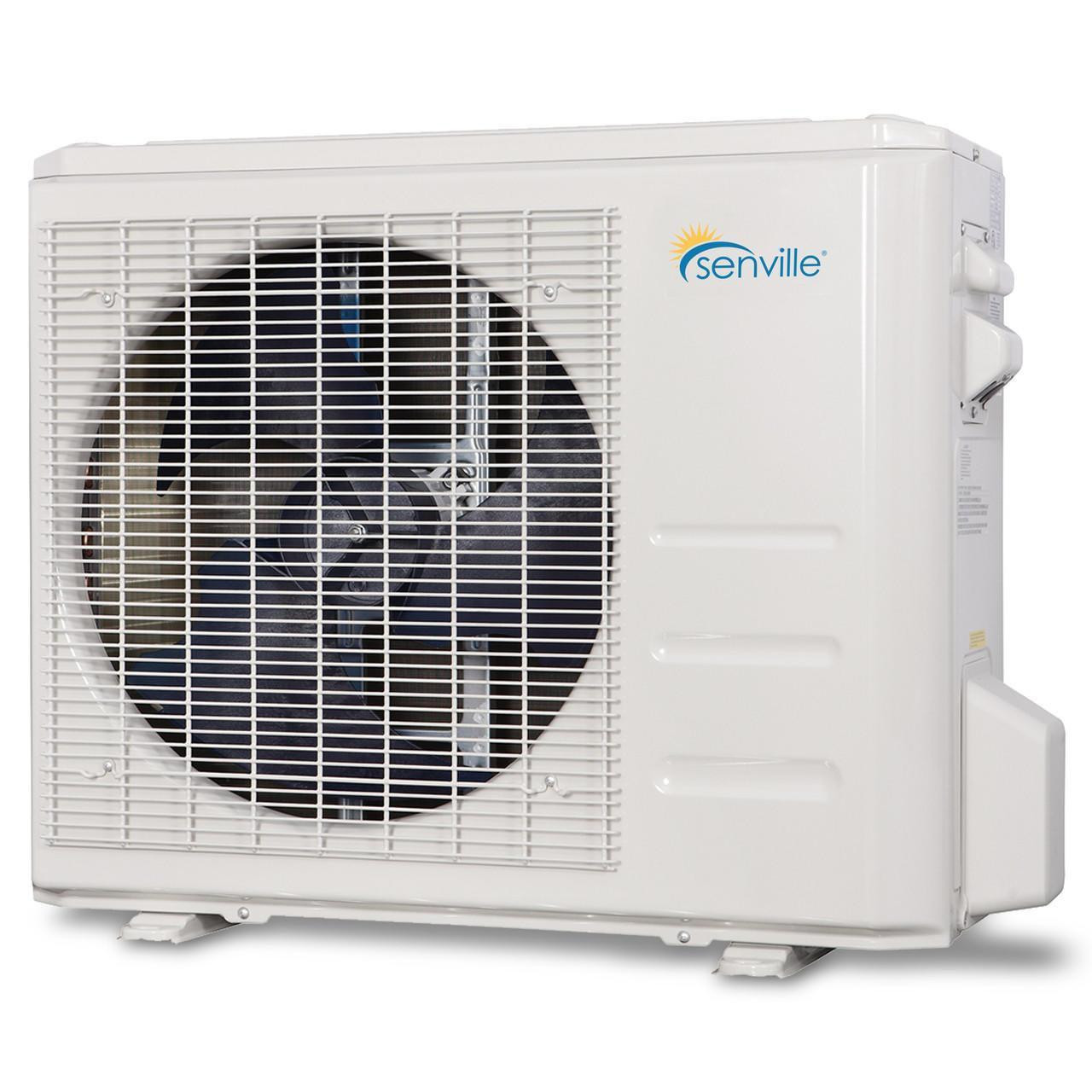
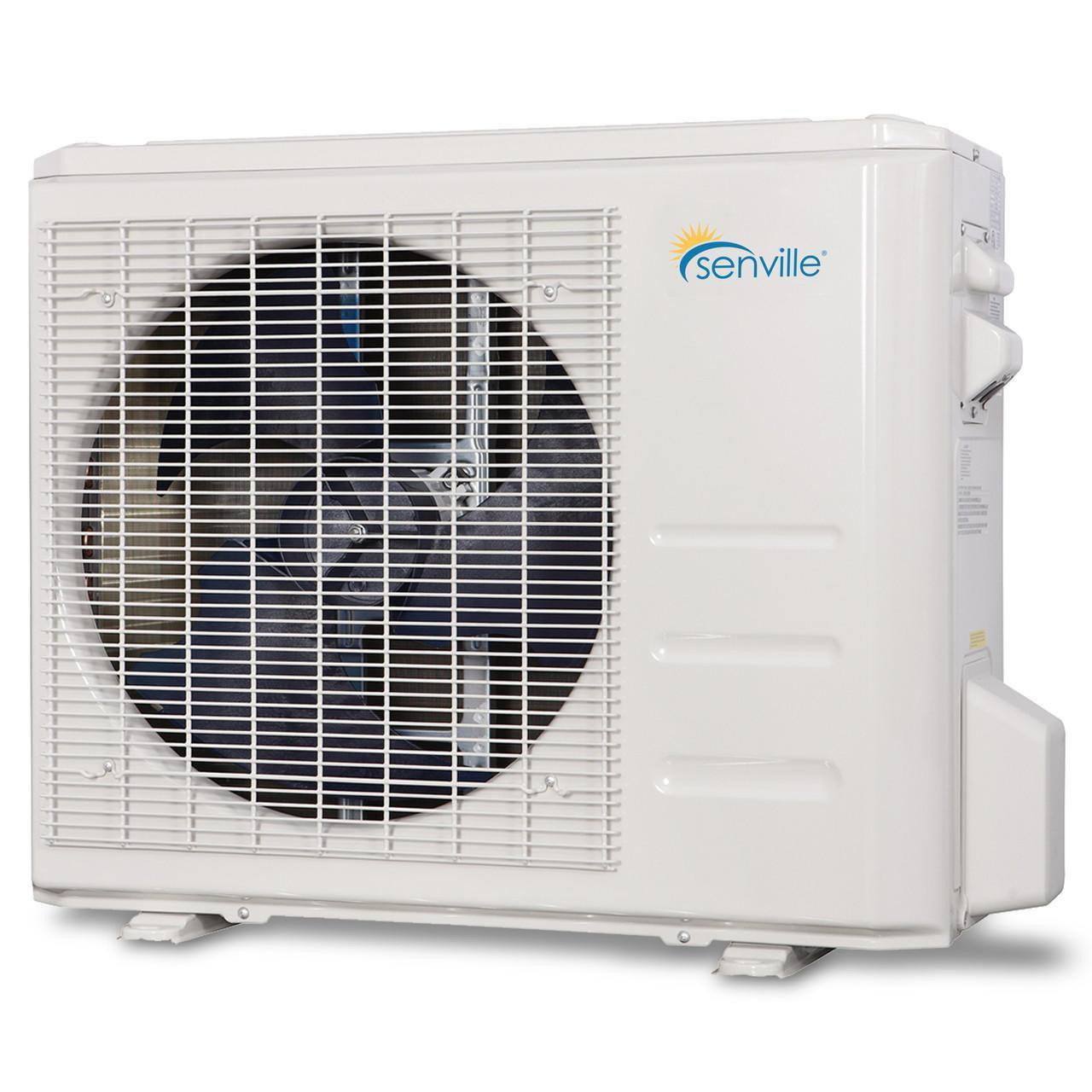
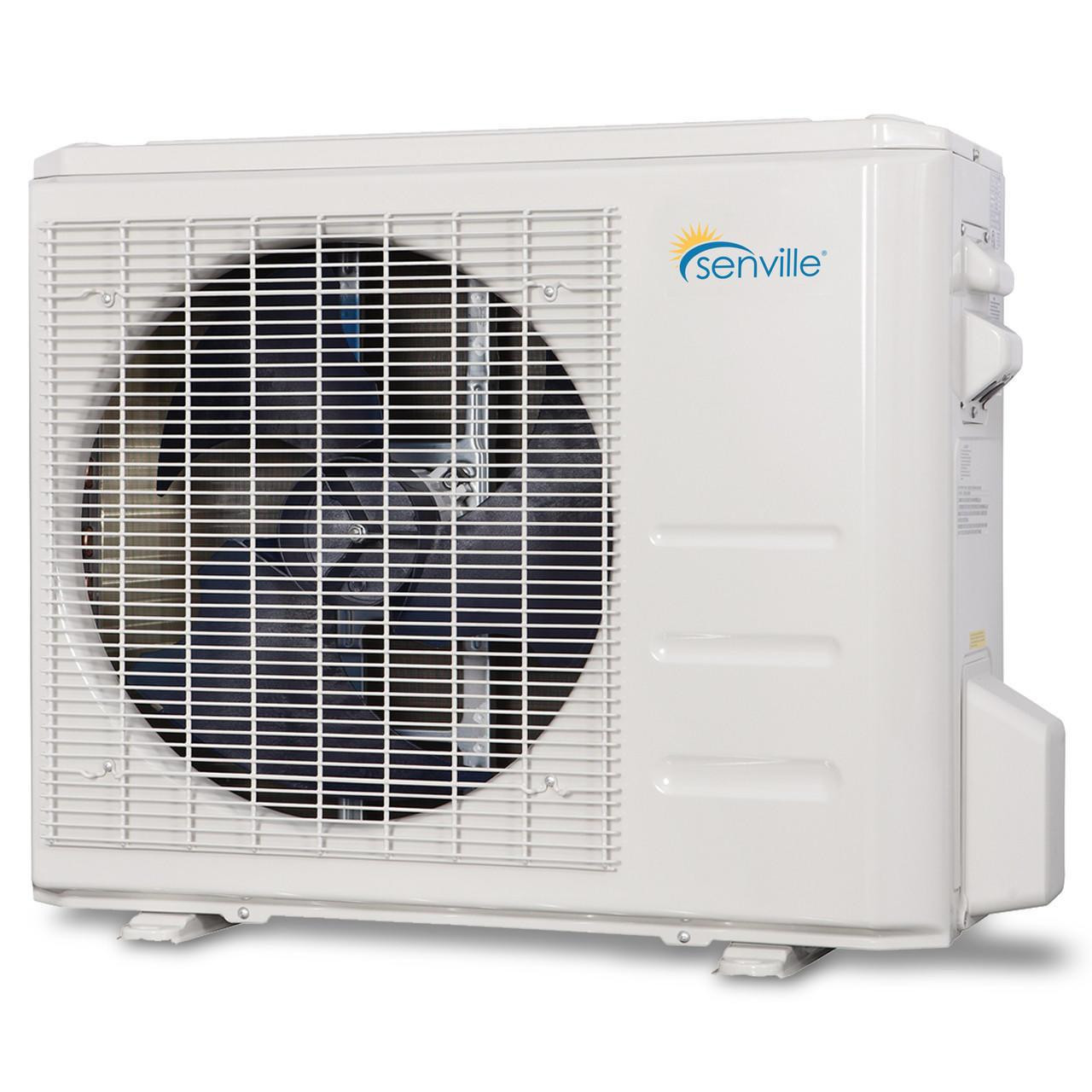
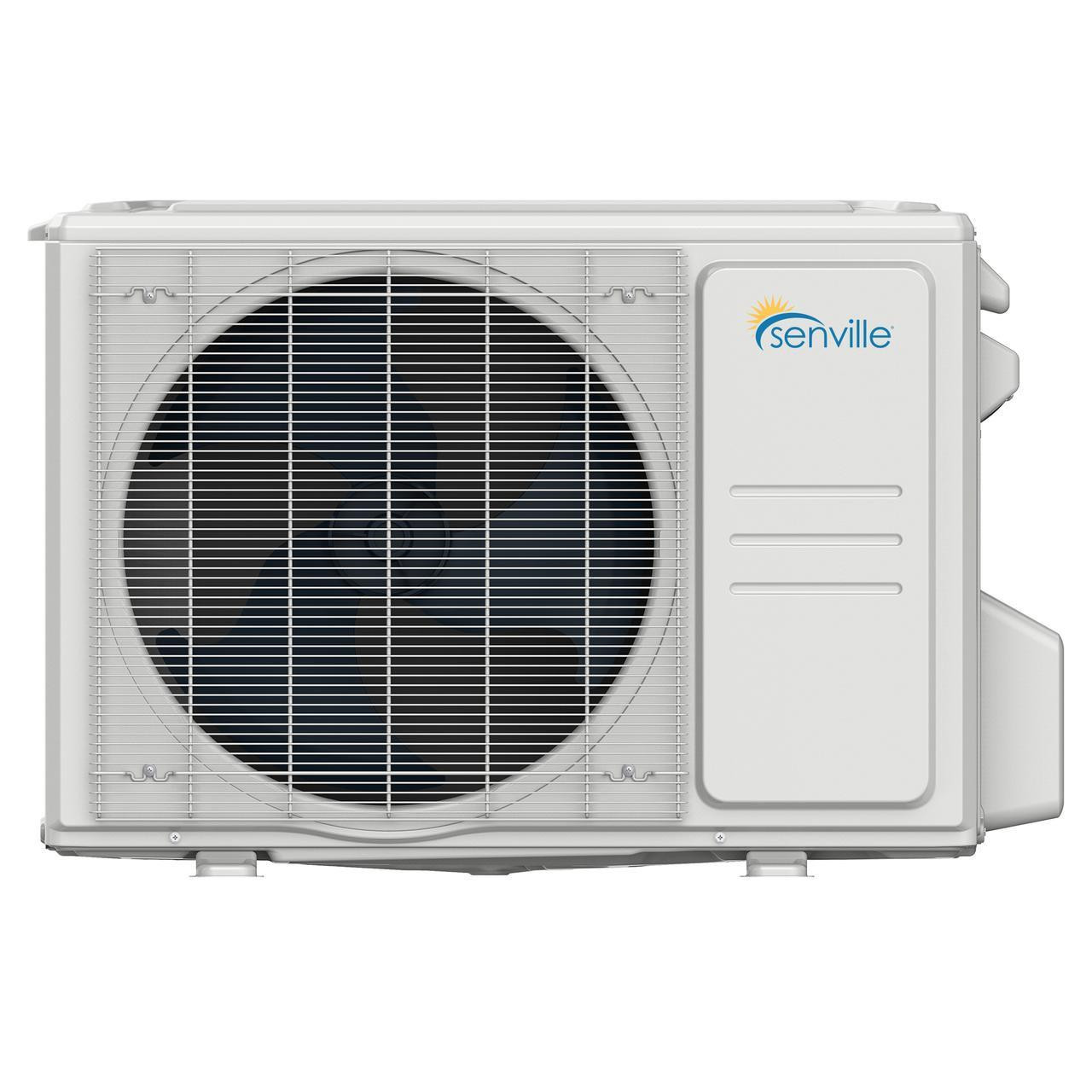
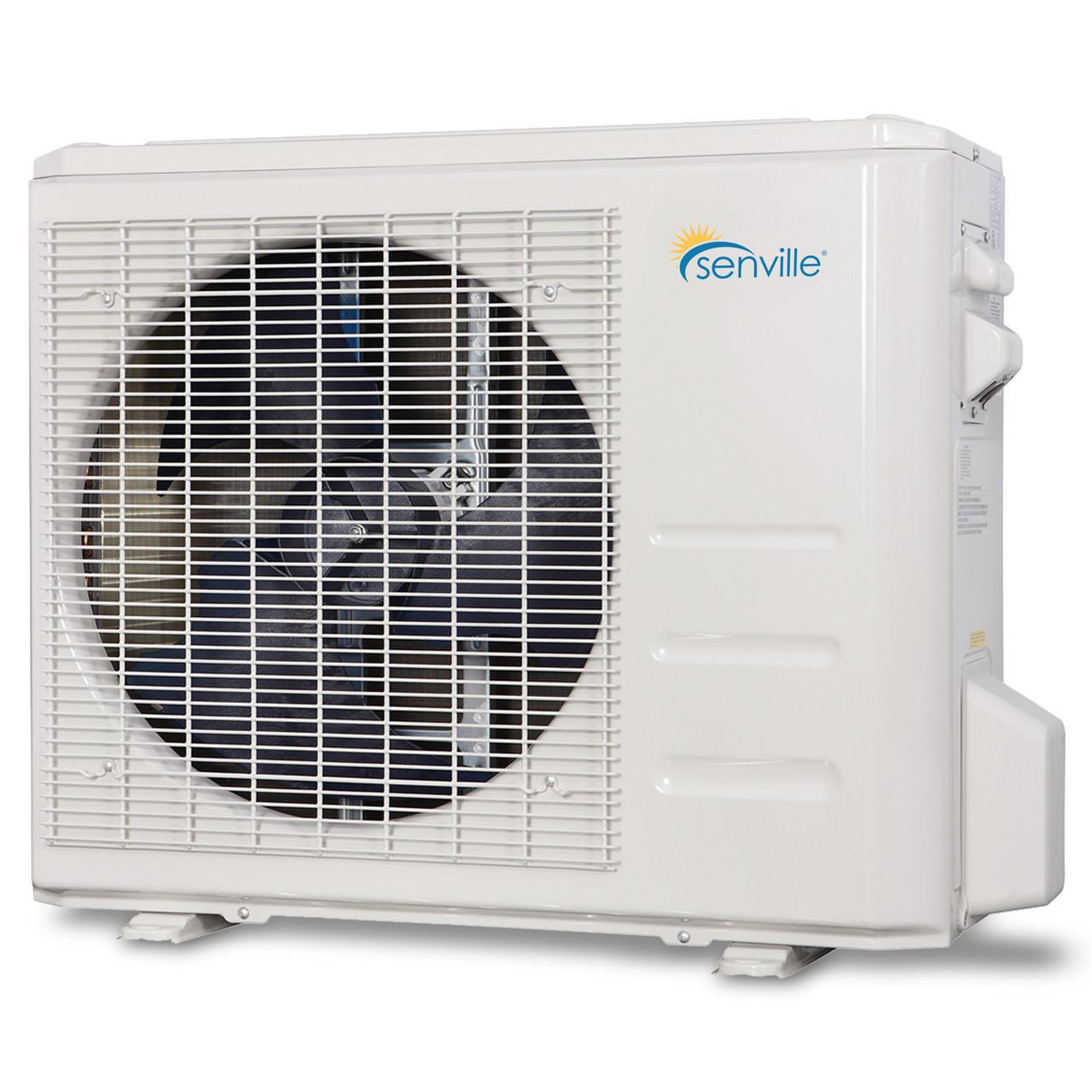
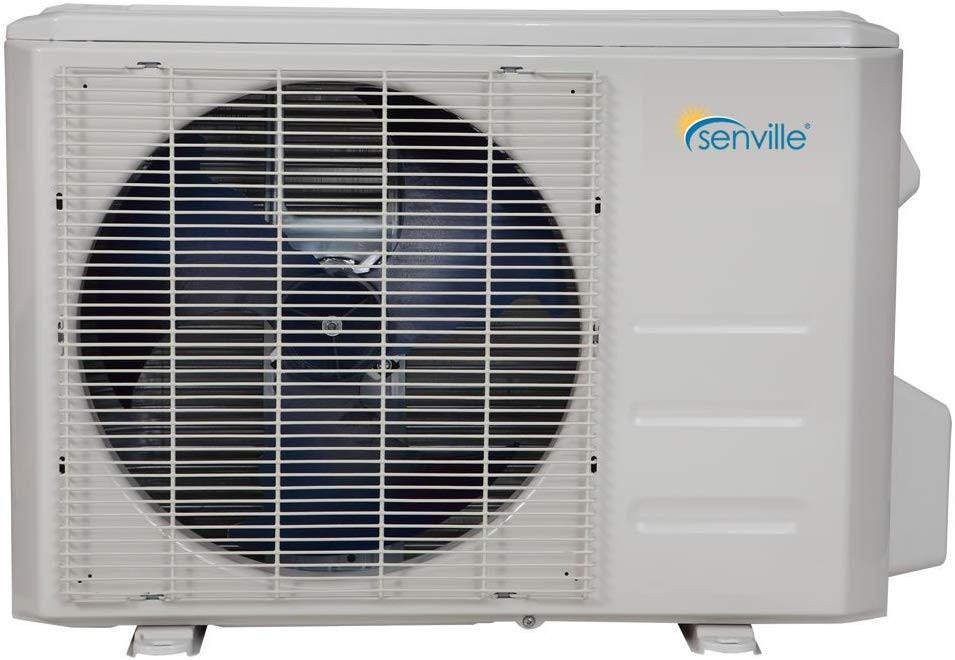
Shop 88 source-backed Senville systems by capacity, room fit, efficiency, and available seller links — and see how the Senville lineup compares with the other brands in this catalog.

Specs come from ENERGY STAR and NEEP; seller links may earn MiniSplitFinder a commission. Learn how.

Is Senville a good mini split brand?

We will not answer that with an opinion, because we have not tested these systems and we do not publish ratings. What we can do is put the certification record in front of you. Across the 88 Senville systems in this catalog, spread over 4 series, certified heating capacity spans 7,000–55,000 BTU/h at 47°F, certified cooling efficiency spans 18–33.3 SEER2, and certified heating efficiency spans 8.7–16.2 HSPF2. 74 of those pairings carry a NEEP cold-climate (ccASHP) listing. Senville does not designate a do-it-yourself line in the source data we hold.

A brand is not a warranty, an installer, or a load calculation. Two things decide whether a system works in your room: the exact indoor/outdoor pairing, and the install. Size the room first, then screen the catalog by what you actually need.
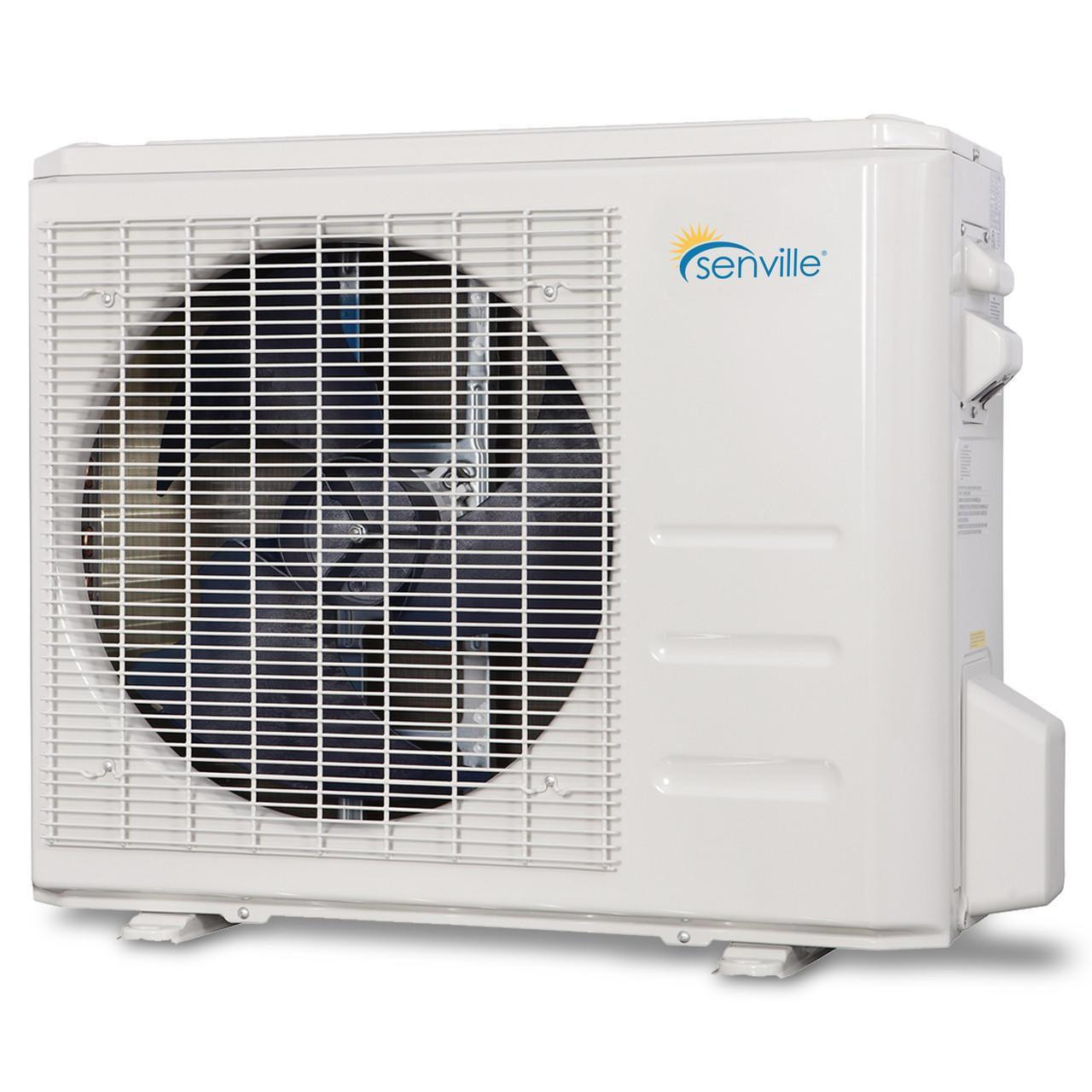
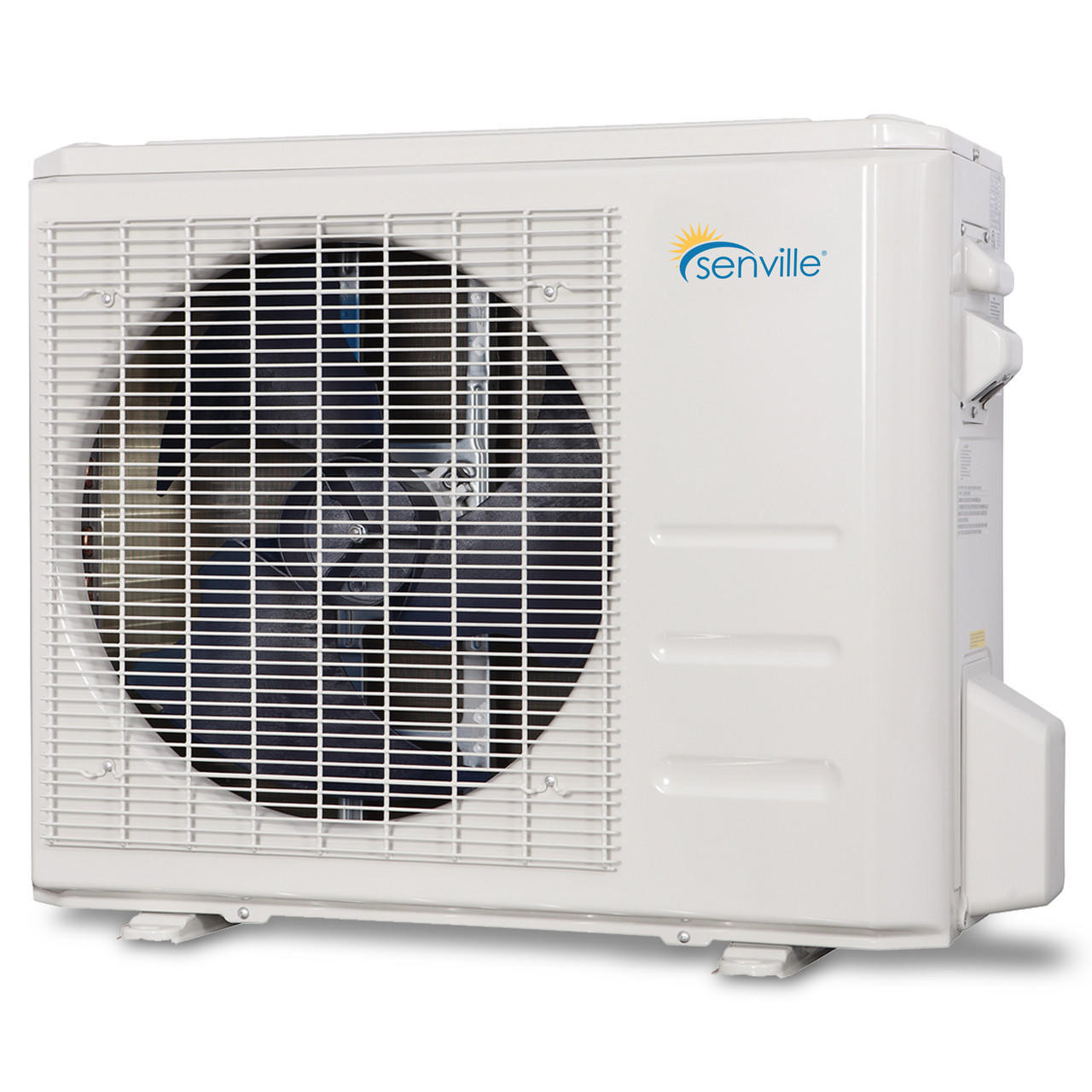
Community sentiment

What owners report

These are recurring themes in linked public owner discussions, not certified specifications or our reliability verdict.

Several owners on The Garage Journal report using Senville mini-splits to cool garages, shops, or living spaces.

Theme: Owner cooling experience

Several · 4 first-person owner reports across 2 public discussions

A small sample can reveal themes, not failure rates. Thin or single-source themes are omitted rather than filled in.

Senville series

SENA

Certified pairings span 7,000–55,000 BTU/h at 47°F and 18–27.4 SEER2.

Good for: Cold-climate shortlists: every certified pairing shown carries a ccASHP listing.

Not good for: Choosing by series alone; exact pairing and a room-by-room load calculation still matter.

Certified specs · Cold-climate listings

SEN

Certified pairings span 9,800–49,000 BTU/h at 47°F and 18–28.1 SEER2.

Good for: Comparing a broad range; use the cold-climate filter to isolate the 18 ccASHP-listed pairings.

Not good for: Shoppers who need every option to carry a ccASHP listing; some pairings do not.

Certified specs · Cold-climate listings

SENE

Certified pairings span 12,000–24,000 BTU/h at 47°F and 25–33.3 SEER2.

Good for: Cold-climate shortlists: every certified pairing shown carries a ccASHP listing.

Not good for: Choosing by series alone; exact pairing and a room-by-room load calculation still matter.

Certified specs · Cold-climate listings

SENL

Certified pairings span 10,000–24,000 BTU/h at 47°F and 18.7–21.5 SEER2.

Good for: Comparing a broad range; use the cold-climate filter to isolate the 2 ccASHP-listed pairings.

Not good for: Shoppers who need every option to carry a ccASHP listing; some pairings do not.

Certified specs · Cold-climate listings

Brand against brand

How Senville compares to other mini split brands

Counted from the same certification records, brand by brand. These are catalog facts, not a ranking — and they only describe the models we hold certified data for.

Senville vs ACIQ

  • Senville has 88 models here to ACIQ’s 194.
  • ccASHP-listed pairings: Senville 74, ACIQ 176.
  • Certified cooling efficiency spans 18–33.3 SEER2 against 15.8–28.1 SEER2.
Open the ACIQ lineup

Senville vs PerfectAire

  • Senville has 88 models here to PerfectAire’s 107.
  • ccASHP-listed pairings: Senville 74, PerfectAire 93.
  • Certified cooling efficiency spans 18–33.3 SEER2 against 17–26.4 SEER2.
Open the PerfectAire lineup

Senville vs MRCOOL

  • Senville has 88 models here to MRCOOL’s 100.
  • ccASHP-listed pairings: Senville 74, MRCOOL 76.
  • Manufacturer-designated DIY models: Senville 0, MRCOOL 38.
  • Certified cooling efficiency spans 18–33.3 SEER2 against 18–28.1 SEER2.
Open the MRCOOL lineup

Senville vs DIYCOOL

  • Senville has 88 models here to DIYCOOL’s 82.
  • ccASHP-listed pairings: Senville 74, DIYCOOL 62.
  • Certified cooling efficiency spans 18–33.3 SEER2 against 15.8–28.1 SEER2.
Open the DIYCOOL lineup

Senville vs Pioneer

  • Senville has 88 models here to Pioneer’s 76.
  • ccASHP-listed pairings: Senville 74, Pioneer 60.
  • Certified cooling efficiency spans 18–33.3 SEER2 against 17.1–25.5 SEER2.
Open the Pioneer lineup

Senville vs DELLA

  • Senville has 88 models here to DELLA’s 67.
  • ccASHP-listed pairings: Senville 74, DELLA 64.
  • Certified cooling efficiency spans 18–33.3 SEER2 against 19–27 SEER2.
Open the DELLA lineup

Brands we hold no certified data for are not compared here. If you are weighing Senville against a brand that is absent from this catalog, we have nothing sourced to say about it and will not guess.

Shop by certified data

Shop the Senville lineup

Start with capacity, then narrow the list to cold-climate or manufacturer-designated DIY lines when those distinctions matter.

6k BTU class

2 models · 7,000 BTU/h at 47F

9k BTU class

8 models · 9,800 BTU/h at 47F

12k BTU class

15 models · 10,900 BTU/h at 47F

15k BTU class

1 models · 15,000 BTU/h at 47F

18k BTU class

11 models · 17,000 BTU/h at 47F

21k BTU class

9 models · 20,000 BTU/h at 47F

24k BTU class

6 models · 24,000 BTU/h at 47F

27k BTU class

11 models · 26,000 BTU/h at 47F

30k BTU class

3 models · 29,000 BTU/h at 47F

36k BTU class

11 models · 35,000 BTU/h at 47F

48k BTU class

8 models · 48,000 BTU/h at 47F

54k BTU class

3 models · 55,000 BTU/h at 47F

Missing values mean the cited sources do not publish that field for the model.